Night Riding on Kent Lanes: The Kit That Actually Earns Its Place in 2026
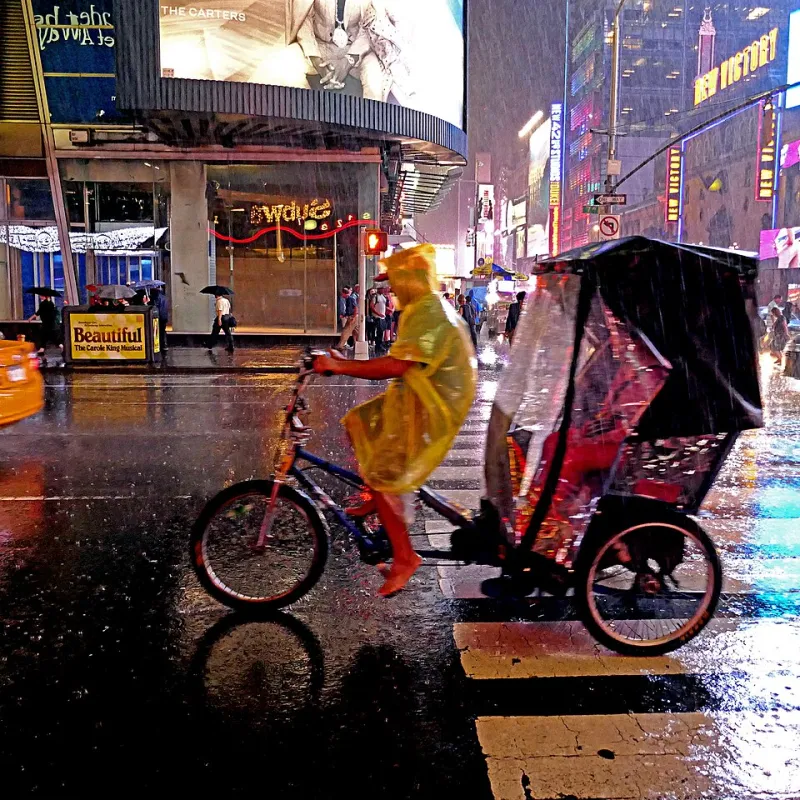
Photo: IIP Photo Archive, CC BY-SA 2.0, via Wikimedia Commons
The clocks have gone back, the commute home now finishes in darkness, and the lanes between Pembury and Tonbridge have that familiar winter sheen. Night riding in Kent is not extreme. It is just wet, gritty and darker than you expect once you leave the streetlights behind. The kit that matters is the kit that still works when the battery is two winters old and the lane is covered in horse muck and leaf mulch.
This is not a lumens arms race. It is a practical 2026 kit list for anyone riding the local lanes after dark, from a budget commuter to someone who wants a premium setup. We have kept the focus on what actually helps you see, be seen and stay comfortable.
Start With the Beam, Not the Lumens
A 2,000-lumen light sounds impressive on the box. On a narrow Kent lane, it can also be a white blob that blinds oncoming drivers and leaves the verges unlit. What matters is beam shape. You want a light with a sensible cut-off and a wide near-field spread, so you can spot potholes, drain covers and the edge of the tarmac without setting fire to the hedge.
For unlit lanes around Speldhurst and Bidborough, a main bar light with a shaped beam and a decent reach is more useful than a cheap floodlight. A small helmet or secondary light helps with looking into corners, but keep it dimmed for oncoming traffic. The test is simple: ride a lane you know well and see whether you can read the surface ahead without squinting.
Battery Claims and Cold Weather
Every light manufacturer quotes a runtime. Almost none of those figures are measured at 3°C with a damp battery. Cold weather and older cells eat runtime. Our rule is to halve the claimed maximum and treat that as your realistic figure for a wet winter ride.
Backup power matters more than headline output. A small rear light that charges by USB-C and clips to a saddle bag is cheap insurance. A compact power bank can rescue a bar light on a longer evening loop, but only if you carry the right cable. Dynamo setups are brilliant for committed winter riders, but they are a bigger commitment than most people need for a couple of evening rides a week.
Being Seen: Reflection Beats Fluorescence After Dark
Hi-vis yellow is fine in daylight. After dark, reflective material is what actually bounces headlights back. Put it where you move: ankles, pedals, knees, wrists. Reflective ankle bands and overshoes are far more effective than a black jacket with a tiny reflective logo on the shoulder.
A decent rear light with a steady mode and a sensible flash pattern is worth more than a novelty light show. On shared lanes, avoid strobes that are so intense they distract. You want drivers to register your position and speed, not guess what the flashing thing is.
Clothing That Copes With Wet Kent Lanes
Waterproof trousers that make you sweat are worse than a good pair of Roubaix tights. For most local winter riding, a breathable softshell or a decent rain jacket with vents works better than a full waterproof shell. Mudguards are not a fashion statement. They keep spray off your back, your feet and your drivetrain, and they make the whole ride nicer.
Gloves need to work when wet. Thick winter gloves that turn into sponges are miserable. A thin liner under a water-resistant outer glove gives you flexibility. Overshoes or winter boots are the difference between a pleasant two-hour loop and a ride that ends with numb feet.
The Budget-to-Premium Ladder
At the budget end, spend first on a reliable rear light and a shaped front light. A basic reflective ankle band and a decent set of mudguards will do more for your safety and comfort than an expensive jersey. At the mid-range, add a second rear light, a small power bank and better gloves. At the premium end, a dynamo setup or a high-quality shaped beam light makes sense if you ride dark lanes regularly.
The mistake is spending the whole budget on one very bright front light and then having nothing left for being seen from behind. Balance matters.
What We Would Skip
App-controlled lights, 12-mode rear blinkies and lights that need a proprietary charger are all easy to leave on the shelf. The best night kit is the kit you can charge, fit and trust without thinking about it. If a light needs a manual to turn on in the cold, it is not the right light for a Kent winter.
Final Thoughts
Night riding on local lanes is brilliant once you have the right setup. You do not need the most expensive kit. You need a beam you can read the road with, a rear light you trust, reflective bits that move and clothing that keeps you dry enough to enjoy the ride. Build the kit around the lanes you actually ride, not the spec sheet.