Hurt Locker: Five Pembury Climbs, Graded Honestly (And How to Ride Each One Well)
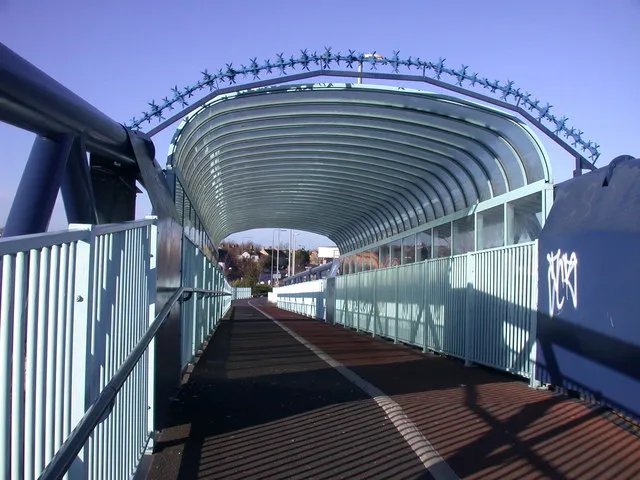
Photo: Keith Edkins, CC BY-SA 2.0, via Wikimedia Commons
Kent doesn't do alpine. What it does instead is short, spiteful, tree-tunnelled climbs that arrive without warning, kick for two hundred metres and then spit you out onto a wet lane with a tractor coming the other way. Ride out of Pembury regularly and you'll meet all of them sooner or later, usually while muttering.
Below are five within easy striking distance of the shop, ranked from "mildly rude" to "genuinely unpleasant". The ratings assume a reasonably fit adult on a road bike with a 34x34 bottom gear, decent legs and no headwind. If it's February and blowing from the south-west, add a point to everything.
How we've ranked them
Not by length — none of these are long. We've gone on how much they hurt: how hard the steep bits bite, how rough the surface is, how much grip you've got in the wet, and whether the gradient gives you anywhere to recover. A climb that's 8% all the way is a different beast from one that's 5% with a 15% kicker hidden round a blind bend.
5. Bidborough Ridge — hurts least
Out of Southborough and up through Bidborough, this is the closest thing to a civilised climb in the area. Roughly two kilometres at 3–4%, wide enough to talk two abreast, and forgiving enough that you can hold tempo and chat.
The catch is exposure. Once you're past the village the hedges drop away and you're riding straight into whatever the weather is doing, so save something for the top section where the road straightens and the wind has a clear run at you. Gear-wise, sit in the middle of the block and spin — grinding here buys you nothing. Good climb for a rider coming back from a layoff, and a sensible one to finish a loop on when your legs are already tired.
4. Pembury Hill — the one you can't avoid
The A228 drag out of Pembury towards Tonbridge is nobody's idea of a nice time: traffic, spray, a set of lights partway up and a surface that has seen better decades. It's also the best-value training on the doorstep.
Around 6–7% average with a sharper pitch near the top, long enough to be an honest effort. Treat it as a threshold interval rather than a hill: pick a gear you can hold, keep your shoulders down, and don't sprint for the lights. It's the climb most local riders do thirty times a year without ever calling it a climb, which is exactly why it's useful.
3. Lamberhurst Downs — the one where the profile lies
From Lamberhurst up the B2169 towards Kilndown, this looks like a gentle ramp on paper — about a kilometre and a half at six percent. In reality it's a series of steps, with a ten percent-ish section around two-thirds of the way up that always arrives just as you've settled into a rhythm.
The road surface is decent, which is more than can be said for the lanes feeding into it. There's often washed gravel at the junction at the bottom, so scrub speed early rather than discovering it mid-turn. Wind matters here too — it's open on the left, so a westerly gives you a shove and a south-westerly takes it back. Ride it in winter and expect the top to be a degree or two colder than the valley.
2. Speldhurst Hill — the one that lulls you
Coming out of Fordcombe and climbing towards Speldhurst, the first few hundred metres are almost pleasant. Then the lane narrows, the trees close in, and the gradient sits somewhere between nine and fourteen percent with no real let-up.
This is the climb that catches visitors out, because there's no view to warn you and no straight to plan on. In November the tarmac under the trees stays damp, and leaf litter turns the gutter into a skating rink — ride a metre further out than you normally would and keep the effort smooth rather than surging. On a 34x30 you'll survive. On 34x34 you'll enjoy it.
1. Fordcombe Hill — the one that actually hurts
The climb from Fordcombe up towards Ashurst takes top spot without much argument. It's short — barely a kilometre — but it goes up at fifteen to twenty percent in places, the tarmac is patched and coarse, and there's a bend where grit collects for months at a time.
There's no clever way to ride it. Get into your easiest gear before the road tilts, stay seated, keep your weight back over the rear wheel, and accept that your heart rate is going to do something ugly. If you have to stand, stand early and briefly rather than fighting it halfway up. Traction is the real limiting factor in the wet, so resist the urge to yank on the bars.
What makes Kent climbing its own thing
Three things, mostly.
Surfaces. Flint-packed tarmac, patched edges, tractor mud and hedge clippings. A climb you'd romp up in the Alps is a different proposition when the road is doing its best to steal your momentum.
Shelter and shade. These lanes are cut into the landscape and lined with trees, which kills the wind but traps the damp. Cold, greasy tarmac under oak trees in December has caught out more good riders than any gradient.
Corners you can't see round. Nearly every one of these hills has a blind bend at the wrong moment. Assume there's a car, a horse or a delivery van just out of sight, because there usually is.
Gearing and pacing, in short
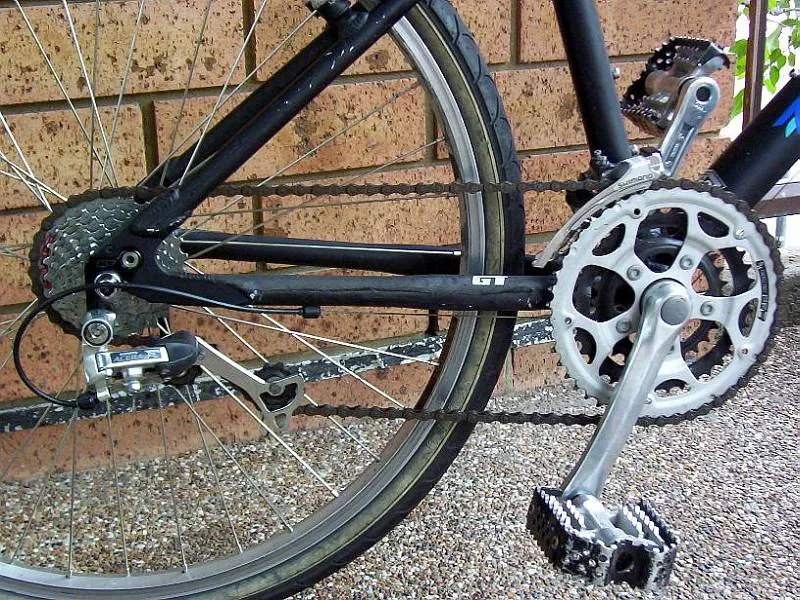
If you're riding this area regularly, get a bottom gear you're not ashamed of. A 1:1 ratio — 34x34, or 30x32 on a gravel bike — turns these climbs from survival exercises into something you can repeat. Compact chainsets and wide cassettes exist for precisely this.
Pace them like short time trial efforts, not sprints. Start at about 90% and let the road take what it takes; the riders who blow up on Speldhurst are the ones who attacked the first hundred metres.
And eat before you get there. Every one of these hills is at its worst on an empty stomach, and none are long enough to justify waiting until the top.
Honourable mention: Toys Hill
Twelve-odd miles west, and worth the trip. Longer, steadier and far more scenic than anything on our list, with a proper hairpin and a café within reasonable crawling distance. Save it for a dry Sunday.
Ride safe — and if you're planning to take on the Fordcombe one in the wet, pop in and have a word about gearing first. It's a conversation we have most weeks.