Kick the Tyres Properly: Ten Minutes That Separate a Kent Bargain From a Money Pit
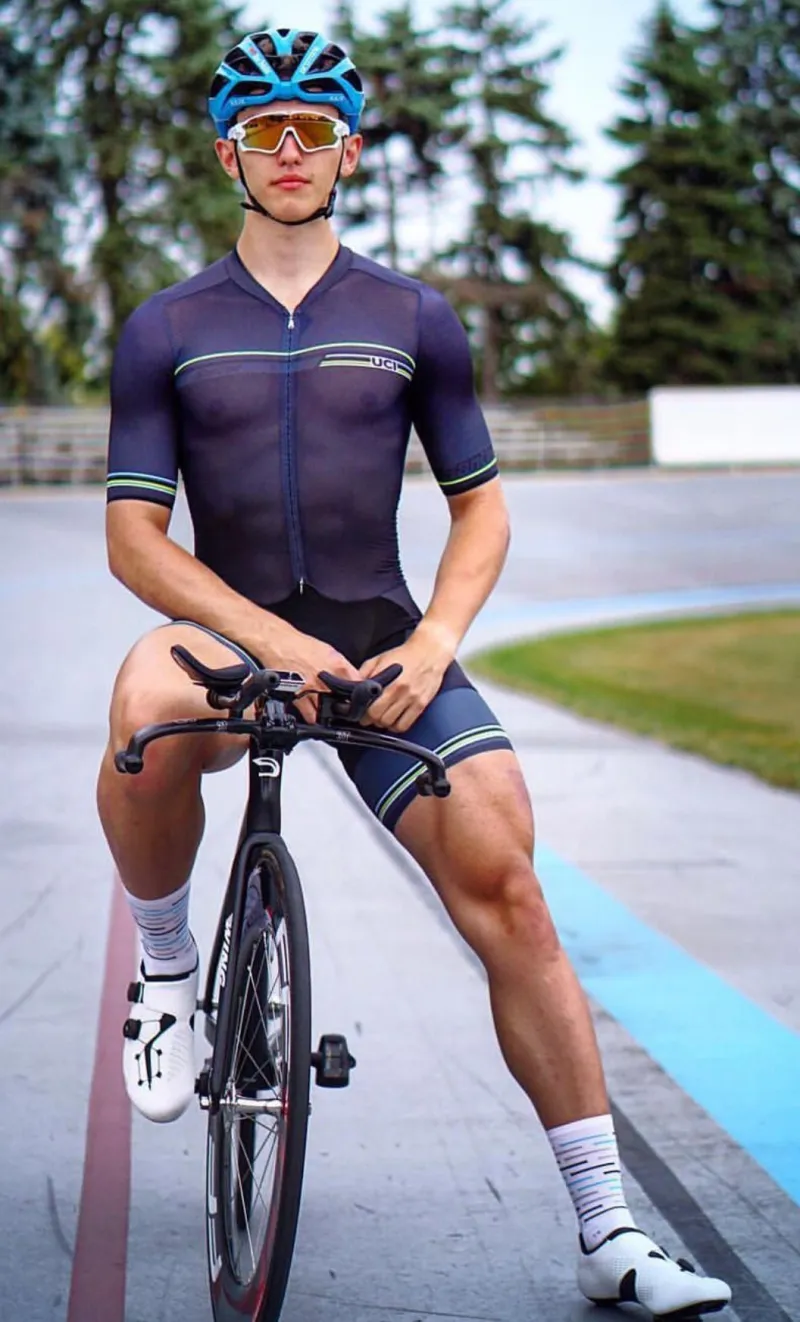
Photo: cyclist inspecting second hand bicycle frame in driveway close up, via i.pinimg.com
Buying second-hand is the best value in cycling and the fastest way to inherit someone else's problem. Both statements are true at once, which is why a used-bike viewing is really a small piece of detective work performed while trying to look casual in a stranger's driveway.
Around Pembury the second-hand market runs along the A21 corridor — Tunbridge Wells, Tonbridge, Sevenoaks, down to Hastings — and it's a good one. Plenty of people buy a bike in a flush of January optimism, ride it four times, then leave it in a garage until the classifieds beckon. Those bikes are gold. Others have been through five winters of gritted lanes and one apologetic crash, and the seller would rather you didn't notice the difference.
Here's how we'd approach it if we were the ones with cash in our pocket.
Before You Set Off: The Messages That Save a Journey
Do the admin from your sofa. Ask for the frame number, photos of both sides of the frame, and the model and size as written on the frame itself. Anyone genuine will send all three within the hour. Anyone who won't send a frame number is telling you something useful.
Then check the number. BikeRegister and Immobilise both let you search a frame number against stolen-bike records, and it costs nothing. It takes ninety seconds and it's the highest-value thing you'll do all week. While you're there, run the listing photo through a reverse image search — if the same bike turns up in three listings in three towns, you have your answer.
November is a rubbish month for viewings in one specific way: it's dark by half four, and you cannot assess a frame by phone torch in a driveway. Book weekend mornings. Take a friend, take a proper torch, and take cash rather than a card, so walking away stays comfortable rather than awkward.
Ten Minutes, Five Checks
You are not doing a full service. You're looking for reasons to say no, and there are five that matter.
The frame. Everything else can be replaced at sensible money; the frame can't. Run your fingers along the top tube, down tube and around the bottom bracket shell — you're feeling for dents, ripples and cracks, not looking for them. The usual suspects are the head tube junctions, the seat cluster, the chainstays near the bottom bracket and the dropouts. Aluminium tends to crack, steel tends to rust through, carbon tends to creak and then fail expensively. On a Kent bike, peer under the bottom bracket and behind the seat tube for bubbling paint, where road salt has been quietly working since last January.
The wheels. Spin each one and watch the rim at the brake track. A wobble is cheap to fix; a concave, worn-through braking surface means new wheels, and that's often a third of what you're paying. Ping a few spokes. Grab the top of each wheel and rock it side to side to feel for hub play, and check the tyre sidewalls for perishing and flint cuts — this county grows flints the way other places grow grass.
The drivetrain. A chain checker costs a tenner and fits in a pocket. Failing that, lift the chain off the front chainring at three o'clock; if you can see daylight underneath it, it's done. Look at the cassette teeth for the shark-fin hooking that means a new cassette, and at the chainrings for the same. Price it honestly: chain, cassette and rings on a well-used bike can land at £100–£150 in parts alone.
The bearings. Headset: hold the front brake, rock the bike forward and back, and feel for movement at the head tube. Bottom bracket: grab both crank arms and push-pull sideways. Hubs: already done. Grinding is worse than loose, because it usually means water got in and stayed in.
Brakes and cables. Check pads for wear and rotors for scoring or blueing. Squeeze the levers — firm, not spongy — and look for weeping fluid around a hydraulic caliper. That's a negotiation point rather than a dealbreaker, provided you know what a bleed costs.
Then ride it. Two minutes up the road, through every gear, brakes applied hard from walking pace, and a short spell out of the saddle to listen for creaks. A bike that tracks straight with your hands off the bars is telling you something good about its alignment.
The Stolen-Bike Tells
Some bikes are cheap because they're hot, and the signs are consistent. A frame number filed, ground or filled and painted over. A seller who can't tell you the size, the model or how long they've had it. A bike assembled from mismatched parts that don't belong together. Fresh paint sprayed over the decals. A meeting arranged in a supermarket car park rather than a driveway, or a story about "selling it for a mate".
None of these proves anything on its own. Three of them together means you leave, politely, without the bike. If you're unlucky enough to have already paid, report it — 101 or Crimestoppers — and add the frame number to BikeRegister so the rightful owner has a fighting chance.
Five Questions and One Receipt
Ask out loud, and listen to the answers:
- Why are you selling it, and how long have you had it?
- Has it ever been crashed, and was anything replaced afterwards?
- What's the biggest job it needs next?
- Do you have the receipt, the original parts or the manual?
- Has it been registered anywhere, and is the frame number exactly as listed?
Then write a receipt on the spot, or on your phone: date, frame number, make, model, price, seller's name and address, your name. Two minutes of admin makes a stolen-bike dispute or an insurance claim enormously easier later.
When a Kent Bargain Is a Money Pit
Some faults are simply too expensive to take on at any price. A seatpost seized solid in an aluminium frame. Rounded bolt heads everywhere, which tells you everything about every previous owner. Rust perforation anywhere structural. Cracks in carbon, however small. Suspension forks overdue a full service. E-bike batteries of unknown health, where a replacement can exceed the asking price. Rim-brake wheels with worn tracks on a bike you intend to ride through a Kent winter.
Our rough rule: add the honest repair bill to the asking price. If that total lands within about 60% of what the bike cost new, it's a fair buy. Above that, you're paying for someone else's garage space — and paying twice.
Bring It Round
If you'd rather not play detective in the drizzle, agree the sale subject to inspection and get a second pair of eyes on it before money moves. It's the cheapest insurance in cycling. Then ride it home the long way, because that's the whole point.