When the Lane Bites Back: Tyre Tactics for Kent’s Flinty Byways
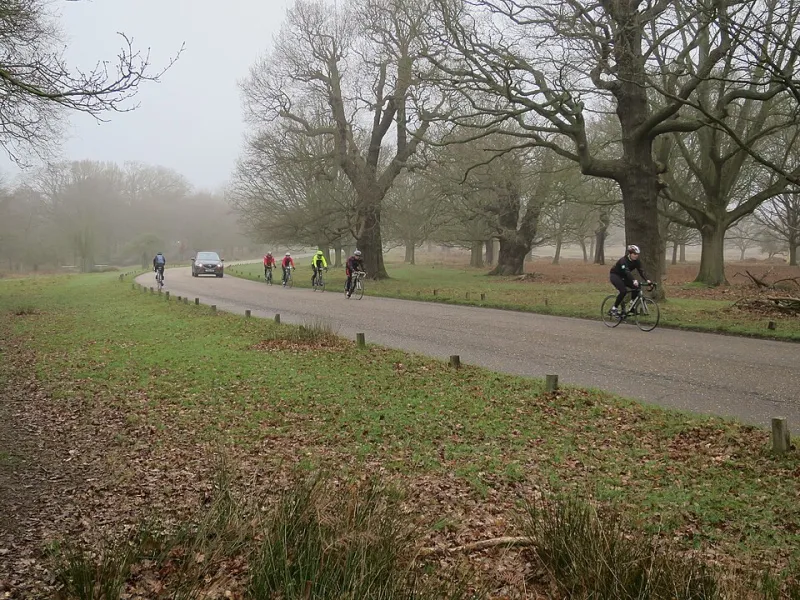
Kent lanes have a reputation for being gentle. Mostly they are. But anyone who has ridden the back roads around Pembury, Matfield and Brenchley knows the other side of the story: hedge cuttings, wet grit, and flint that seems to lie in wait for the exact moment you relax. The scenery is lovely. The surface can be spiteful.
This isn’t a plea to wrap yourself in armoured tyres and ride like you’re expecting an ambush. It’s the opposite. Most flint-related misery comes down to a few habits, a sensible setup and knowing where the bad stuff collects. Get those right and you can keep riding the lanes you actually enjoy.
Why Kent’s lanes are so hard on tyres
The Wealden geology around here gives us clay, sand and plenty of flint. When the weather turns, that flint doesn’t stay neatly in the field. It ends up on the road, often in the places where water runs and grit gathers. Add in hedge-cutting season, farm traffic and the general debris of November, and you have a surface that can punish a thin race tyre.
The worst spots tend to be predictable. Shaded bends where the road stays damp. The strip just off the verge, where sweepers push grit and thorns. The middle of the lane after heavy rain, especially where a puddle has dried and left a little minefield behind. Driveways and field entrances are classic too — mud carries stones onto the tarmac, and you meet them at exactly the wrong angle.
Around Pembury, the lanes towards Capel and Five Oak Green can be scruffy after a wet week. The climbs up towards the common and the quieter roads near Penshurst often hold debris in the shade. None of this is a reason to stay home. It is a reason to look further ahead and choose your line with a bit more care.
Tyre choice: sensible beats spendy
You do not need the most expensive tyre in the shop to survive a Kent winter. You need one with enough volume, a decent casing and puncture protection that matches how you ride. A 28mm to 32mm road tyre is a good starting point for most riders on these lanes. It gives you a bit more cushion and a wider contact patch without feeling sluggish. If you’re on gravel or a bike that allows it, 35mm to 45mm is comfortable and forgiving on broken surfaces.
Race tyres are brilliant in summer. In flint season, they are a gamble. A supple tyre with a fragile sidewall might feel wonderful, but one sharp shard on a shaded descent can end the day. Look for something with a reinforced centre tread or a puncture-resistant layer, but don’t go so stiff that you lose all feedback. Grip and comfort matter as much as toughness.
Tubeless versus tubes is the argument that never dies. Tubeless is genuinely good around here: small flint cuts often seal before you notice, and a plug can rescue a bigger hole at the roadside. It is not magic, though. Sealant dries out, sidewall cuts still happen, and you need to check levels regularly. Tubes are simpler, cheaper and easier to fix in the cold. If you run tubes, choose a decent quality tube and don’t be tempted to skinflint on thickness. If you run tubeless, learn how to plug a hole and top up sealant every few weeks.
Pressure is the free upgrade
Overinflation is the quiet killer. A rock-hard tyre feels fast on smooth tarmac, but it skips over grit and transmits every sharp edge straight into the casing. Drop the pressure a little and the tyre can deform around debris instead of being stabbed by it.
As a rough starting point, a 28mm tyre might suit 75–85psi at the rear and slightly less at the front for a typical rider. A 32mm might sit nearer 60–70psi. A 40mm gravel tyre could be happy around 35–45psi depending on your weight and load. These are not commandments. Experiment on your regular loops, use a gauge, and change one thing at a time. If the ride feels harsh and sketchy, you are probably too high. If the tyre squirms in corners, you have gone too low.
Line choice: read the lane, not your computer
Good line choice is worth more than an expensive tyre upgrade. Keep your eyes up the road and look for the dark, shiny patches that mean wet grit, and the pale scruffy strips where debris has collected. On narrow lanes, ride a little further out than the gutter — usually 30–50cm from the edge — so you are not surfing the worst of the flint and hedge cuttings. Be prepared to move back in for traffic, but don’t hug the verge out of habit.
When you have to cross a gritty patch, do it as upright and straight as you can. Avoid braking hard on loose flint. If you spot a big stone late, don’t yank the bars; a small correction is safer than a panic swerve. On descents, give yourself more room and look through the bend. The surface you meet mid-corner is the one that matters.
In a group, call the obvious hazards and leave space. Nobody enjoys the rider ahead stopping dead to inspect a tyre without warning. If you do pick up a flint, get off the road properly before you start fiddling.
The roadside kit that actually saves a ride
A useful flint-season kit is small and boring. A plug tool if you run tubeless. One spare tube that fits your tyre size. Tyre levers that don’t snap in the cold. A pump or CO2 inflator you know how to use. A tyre boot or a folded note to cover a sidewall cut. A multitool. Nitrile gloves, because black sealant and freezing hands are a miserable combination. A little cash and a charged phone are not bike kit, but they have saved more rides than most gadgets.
Practice at home before you need it. Plugging a tubeless tyre in a warm kitchen is easy; doing it on a wet lane near Brenchley in the dark is a different skill. Know how to remove your wheel, seat a tyre and inflate it without drama.
A two-minute habit after every ride
Before you put the bike away, run a hand over the tyres and pick out any embedded flint or glass. Check the sidewalls for cuts. If you’re tubeless, give the wheels a spin and look for sealant weeping. Top up sealant when it needs it, not when it has turned to cottage cheese. Replace tyres before the tread is gone and the casing is exposed.
Kent’s lanes will always throw something sharp at you eventually. That’s part of riding here. But with sensible pressures, a bit of line discipline and a repair kit you understand, most flint strikes become a minor inconvenience rather than a taxi home. The lanes are too good to abandon just because they bite occasionally.