The Lane Doesn't Care About Your PB: Reading Kent Roads When Strava Says You're Flying
Photo: Robert Ashworth from Bellingham, WA., USA, CC BY 2.0, via Wikimedia Commons
There's a particular noise a bike computer makes when you bag a Strava segment. It's a small, cheerful chirp, and it can convince you that the lane between Pembury and Matfield has somehow become smoother, straighter and considerably more heroic since last Tuesday. It hasn't. The lane is the same lane. The number is just a story told by satellites, wind and a short stretch of tarmac.
We're not anti-Strava at Pembury Cycles. It's a brilliant log, a useful memory-jogger and a decent way to see where you've been when the ride turns into a blur of hedges and muddy lanes. But a segment time is not a road report. It doesn't know about the flint patch just past the farm gate, the horse box coming the other way, or the fact that you got a free tow from a Transit for half a mile. Treat it as gospel and you'll start riding the number instead of the road.
A green tick is not a road report
Short segments are the worst offenders. A 300-metre lane can be flattered by a tailwind, a downhill gradient you barely notice, or a lucky run through a sequence of bends. Start the segment already rolling and you've bought a few seconds before you've turned a pedal in anger. Add in GPS drift — the way your head unit struggles under dense trees, in deep cuttings or between high hedges — and the margin for error gets silly. A line that jumps ten metres to the left can turn a steady effort into a phantom personal best.
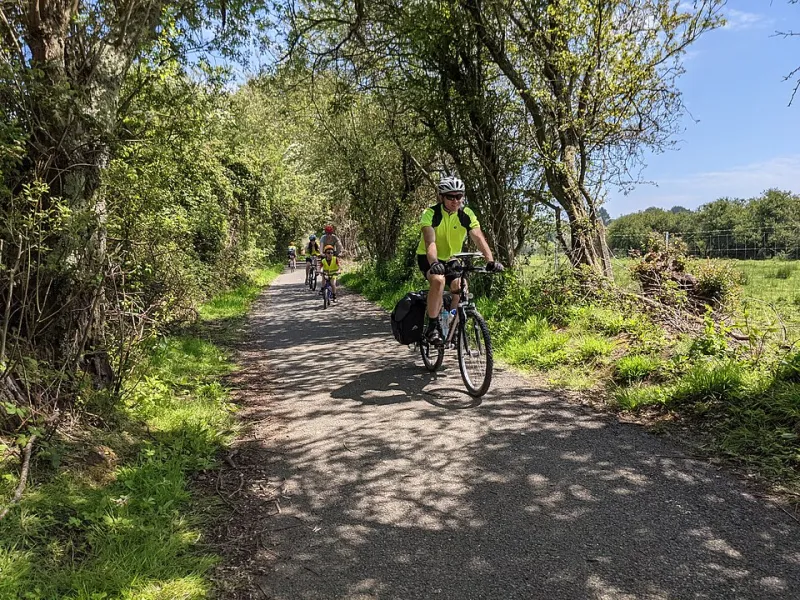
Kent lanes are especially good at lying. The hedges are high, the trees meet overhead, and the lanes twist in ways that confuse a satellite fix. A segment that runs through a wooded cutting near Lamberhurst may be recorded differently depending on whether you've got a computer on the bars or a phone in your back pocket. That's before we get to wind. A blustery south-westerly can push you along one direction of a lane and make the return feel like pedalling through treacle. The segment doesn't care. It just sees a number.
The flint factor
Surface matters more than most riders admit. A dry week can make a flinty back lane feel almost smooth; a wet weekend turns the same stretch into a lesson in line choice. If you set a best time on a dry day with fresh tyres and then spend March wondering why you're slower on the same road, you're not declining. The road has changed. The hedges have been cut, the grit has been spread, and the potholes have had a winter to grow.
That's why we like to use segments as surface notes rather than trophies. Did you brake earlier because the bend was gravelly? Did you take the outside line to avoid the worst of the flint? Did the lane feel narrower because of a delivery van? Those details are worth more than three seconds. They're the things that keep you upright when the road bites back.
The bunch ride problem
This is where segment fever gets properly antisocial. A Pembury bunch ride is not a race. It's a shared morning out, with a cake stop at the end and a duty to get everyone home in one piece. If someone's computer pings mid-lane and the group suddenly surges, half the riders behind are left scrabbling for a wheel they didn't expect to lose. Add a blind bend and a flinty inside line and you've got a recipe for a very quiet coffee stop.
Our rule is simple: if you want to chase a segment, do it alone or agree it beforehand. Don't turn a social ride into a series of surprise time trials. Call the hazards, keep the group together, and save the heroics for a solo loop where the only person you can drop is yourself. A bunch ride that stays smooth and predictable is a far better advertisement for the sport than a Strava crown won by half-wheeling your mates into a hedge.
Use it as a diary, not a scoreboard
The practical fix is to change what you ask Strava to tell you. Instead of comparing every ride to everyone else, compare it to your own rides in similar conditions. Tag your rides with the wind, the weather and the bike. Note the tyres you were on. Write a line about the surface — 'front wheel sketchy on flint after Capel' is more useful than a trophy icon. If a segment time looks wildly fast, check the GPS trace. If the line jumps, ignore it.
We also like the old-fashioned approach: keep a few personal loops and ride them regularly. Same route, similar weather, similar effort. That gives you a genuine benchmark without turning every lane into a leaderboard. Use the computer to remember where the bad drains are, not to tell you that you're the king of a road you've ridden six times.
Chase the line, not the number
The best riders we know can tell you where a lane gives up grip before they've looked at a screen. They read the surface, anticipate the bend, and ride with enough margin to deal with the unexpected. That's the skill worth chasing. A clean line through a flinty corner is worth more than a handful of seconds, and it'll still be there when the segment leaderboard has moved on.
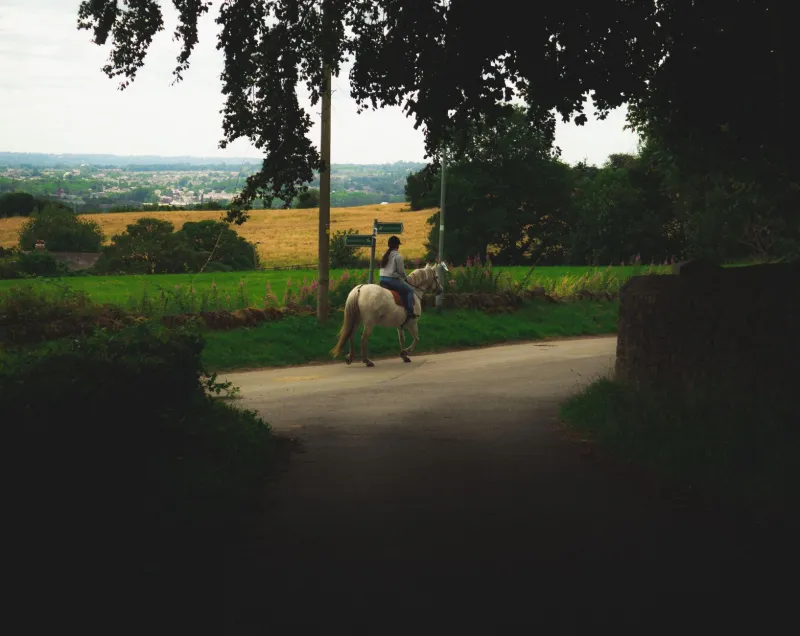
So by all means keep Strava. Log the miles, enjoy the memories, and let the occasional green tick make you smile. Just remember that the lane doesn't care about your PB. It cares about whether you saw the gravel, whether you gave the horse enough room, and whether you got home with your wheels and your mates intact. That's the ride worth measuring.